
How Does Solar Power Work? A Guide for Luton, Dunstable and Stevenage
A plain-English guide to how solar panels, inverters and batteries work — and what that means for homes and businesses in Luton, Dunstable and Stevenage.

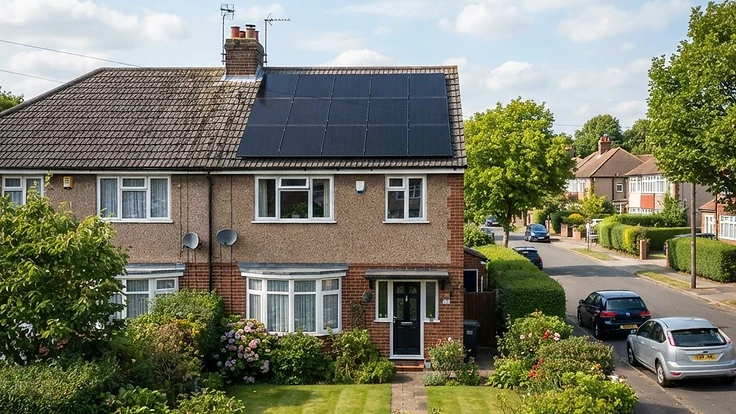
Thinking about solar panels but unsure what happens between sunlight hitting your roof and electricity powering your home? This guide explains the process in plain terms, and what it means for homes and businesses in Luton, Dunstable and Stevenage.
How does solar power work? The short answer: solar photovoltaic (PV) panels convert sunlight into electricity. An inverter makes that electricity usable by your appliances. Depending on your system, surplus generation can charge a battery or flow to the electricity grid.
For homeowners and businesses considering solar in Luton, Dunstable or Stevenage, understanding this process is the first step towards choosing a system that suits the property and its energy needs. Request your free solar quote from Make Green Energy to see what your roof could do.
From sunlight to usable electricity
A solar installation brings together panels, an inverter and electrical connections. Battery storage is optional.
1. Your panels produce electricity
PV cells within the panels generate direct current (DC) electricity when exposed to light. Importantly, they respond to daylight rather than heat, so a bright, cool day can perform well. They can still generate on cloudy days, although output varies with the available sunlight.
2. The inverter converts it
The inverter changes DC electricity into alternating current (AC), which your home or business can use. Without it, the electricity from your panels would not run your appliances. The inverter also manages how the system behaves, from safety shutdowns to how surplus energy is routed.
3. Your property uses the generation
Solar electricity can supply appliances operating while the system is generating. When demand exceeds solar production, a grid-connected property draws the balance from the grid. And when there is no generation at all — every night — a grid-connected property without storage draws all its power from the grid, because panels produce no solar electricity in darkness.
4. Surplus energy goes elsewhere
An optional battery stores surplus electricity for later use. Electricity that is not used or stored can be exported, subject to the system's grid connection arrangements. With an MCS-certified installation, exported electricity can earn payments under the Smart Export Guarantee. Our battery storage service covers this in more detail.
The Energy Saving Trust's solar panel guide explains the generation process in more detail, including typical system costs and performance expectations.
Why is a solar inverter needed?
Household and business electrical systems run on alternating current (AC), while panels produce direct current (DC). The inverter bridges the two. It is also the component that keeps the system within safe operating limits, so the quality of the inverter matters as much as the panels. If you plan to add a battery or EV charger later, it is worth discussing inverter compatibility at the outset.
Do panels work on cloudy days and in winter?
Yes, with realistic expectations. Panels generate from daylight rather than heat, so they produce power on overcast days — just less of it. In winter, shorter days and a lower sun angle mean output is generally lower than in summer. Over a full year, generation evens out, but monthly figures vary considerably. A well-designed proposal should show this seasonal pattern rather than a single flattering number.
What affects your solar output?
Four factors do most of the work:
- Roof orientation and pitch: south-facing roofs typically generate the most in the UK, but east and west slopes are also effective and can better match morning or evening usage.
- Shading: chimneys, trees and neighbouring buildings all reduce output. Careful panel placement and layout matter more than squeezing on extra panels.
- Available roof area: the usable, unshaded area sets a practical ceiling on system size.
- System design: panel choice, inverter sizing and whether storage is included all shape how much of the generation you actually use.
That is why estimates depend on the property, generation, electricity consumption, equipment and tariffs — no honest installer can promise a fixed saving, return or payback period without assessing all of these.
How battery storage works, and what it does not do
An optional battery stores surplus daytime generation so it can be used in the evening, overnight or during high-tariff periods. It increases the share of your own generation you consume, especially if your household uses most of its electricity outside daylight hours.
One point worth understanding before you choose: batteries do not automatically provide backup power. Keeping your property supplied during a power cut requires backup-capable equipment and a specific installation arrangement. If backup matters to you, say so during the enquiry so it can be designed in from the start.
What to prepare before requesting a solar quote
Start with your property and electricity consumption rather than a fixed number of panels. The most useful things to have ready are:
- Your annual electricity consumption in kWh, from recent bills.
- When you use most electricity — daytime, evening or throughout the day.
- What you know about your roof: orientation, age, condition and any shading.
- Who owns the property and who can approve installation.
- Any planned changes, such as an EV, a heat pump or new electrical equipment.
Our free Solar Quote Checklist gathers the full set of questions to ask any installer — download it from our Luton, Dunstable or Stevenage pages.
Solar for homes and businesses in the three towns
Each town brings a slightly different starting question. For a Luton homeowner, it is often whether the available roof space suits the household's needs. For a Dunstable household that uses more electricity after work, comparing solar with and without storage is usually the more useful conversation. For a Stevenage business, operating hours, electricity demand, roof space and who owns the premises shape the proposal. Our services cover home solar, commercial solar, battery storage and EV charging.
What happens after you enquire?
Make Green Energy assesses your roof and energy needs, develops a tailored system proposal and discusses installation and support. A useful proposal should make its assumptions clear: ask for the suggested system size, estimated generation, equipment specification, installation scope and warranty details. If savings are shown, ask which electricity prices, usage patterns and export assumptions underpin them.
Request your free solar quote
Whether you are gathering information or ready to compare an installation proposal, begin with the facts about your property. Get your free solar quote or call 0333 577 7886.
System suitability, generation and savings vary. Any estimate should be reviewed against the property, equipment, usage and tariff assumptions.
About Make Green Energy
Make Green Energy helps UK homeowners and businesses understand and access practical renewable-energy solutions, including solar PV, battery storage and energy-saving technologies. Our engineers design, install and support systems built around your property and long-term energy goals.
References & Further Reading
Frequently Asked Questions
Ready to explore solar for your property?
Whether you're considering solar panels, battery storage or a more complete renewable-energy solution, Make Green Energy can help you understand your options.
Related articles

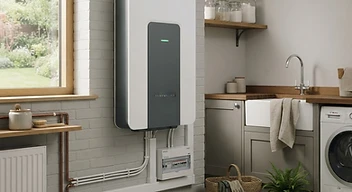
Solar Panel Battery Storage UK: Is a Solar Battery Worth It in 2026?
Is a solar battery worth it in the UK? A battery's value depends on when you use electricity. Here's how sizing, grid charging, EVs and export tariffs decide the answer for your property.

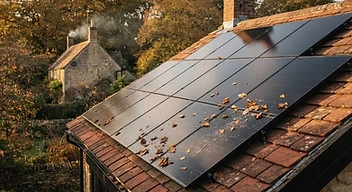
Do Solar Panels Need Cleaning? The UK Solar Owner's Guide for 2026
Rain, dust, pollen and bird droppings all land on your solar array — but does it actually need cleaning? The better question is whether your system is performing as expected, and here's how to tell.

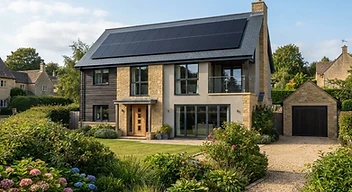
Solar Panels UK in 2026: Cost, Batteries, Cleaning & What Homeowners Should Know Before Installing
How much do solar panels cost in the UK in 2026? Do you need a battery — and do panels work when it's cloudy? An installer's guide to costs, payback, cleaning and the questions to ask before you buy.