Britain needs more solar. Where we put it matters.
Two BBC stories — a 1,200-hectare solar farm in Northamptonshire and 62,000 panels on a former Bedfordshire landfill — show why siting should shape Britain's next wave of solar.

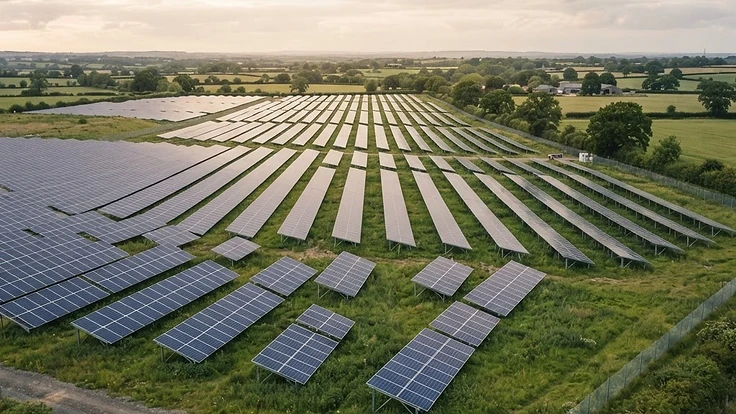
A solar panel can represent progress to one person and the loss of a familiar landscape to another.
Two recent BBC stories show why the solar debate deserves more thought than simply choosing sides.
Two stories, two very different proposals
In Northamptonshire, the government has approved Green Hill Solar Farm, a development covering approximately 1,200 hectares. Supporters point to its contribution to clean electricity and energy security. Opponents raise concerns about the scale of change to the countryside.
Meanwhile, closer to home in Bedfordshire, a solar project is taking shape on the former Brogborough landfill site. The BBC reports that more than 62,000 panels are planned, with the project expected to begin operating in spring 2027. Land with a history of waste disposal is being given another productive use.
Location should be central to a project's value
At Make Green Energy, we believe the location of a solar project should be central to its value.
Brogborough offers a compelling example of the opportunities worth exploring before assuming that expansion must mean developing more agricultural land. We would like to see suitable former industrial sites, commercial rooftops and car parks given serious consideration wherever new generation is being planned.
That is not a reason to reject every countryside proposal
Nor does one successful landfill project prove that every former landfill is suitable.
It is a reason to ask better questions.
- Have alternative locations been properly assessed?
- Have residents had a meaningful opportunity to influence the plans?
- Are the benefits clearly explained?
- Are commitments to the local environment measurable?
For businesses, start with the premises you already occupy
For businesses, we believe the same thinking should begin with the premises they already occupy: assess the available roof space, understand electricity use and establish whether a well-designed installation makes practical sense.
See how commercial solar works with Make Green Energy.
Trust comes from taking the details seriously
The solar industry earns trust when it takes those details seriously.
Our view is that Britain should pursue more solar with greater attention to place, people and lasting local value.
Where would you prioritise the next wave of investment: commercial rooftops, former industrial land or large solar farms?
We would welcome your view — and if you are weighing up solar for your own home or premises, talk to our team.
About Make Green Energy
Make Green Energy helps UK homeowners and businesses understand and access practical renewable-energy solutions, including solar PV, battery storage and energy-saving technologies. Our engineers design, install and support systems built around your property and long-term energy goals.
Frequently Asked Questions
Ready to explore solar for your property?
Whether you're considering solar panels, battery storage or a more complete renewable-energy solution, Make Green Energy can help you understand your options.
Related articles

Solar finance options in the UK in 2026
Understand the differences between solar loans, leasing, subscriptions and business funding, with provider comparisons and practical checks before you commit.

How Does Solar Power Work? A Guide for Luton, Dunstable and Stevenage
A plain-English guide to how solar panels, inverters and batteries work — and what that means for homes and businesses in Luton, Dunstable and Stevenage.

Solar Panel Battery Storage UK: Is a Solar Battery Worth It in 2026?
Is a solar battery worth it in the UK? A battery's value depends on when you use electricity. Here's how sizing, grid charging, EVs and export tariffs decide the answer for your property.